July 17, 2026
Concrete forms the foundation of modern infrastructure and residential landscapes. From massive commercial buildings to residential driveways, this material provides unparalleled durability and strength. Despite its apparent simplicity, handling such a complex mixture requires significant expertise. Many property owners underestimate the physical demands and technical knowledge necessary for a positive outcome. A lack of experience leads to flawed installations, wasted materials, and structural weaknesses.
Attempting a do-it-yourself approach leads to disastrous results for untrained amateurs. Mixing, pouring, and curing demand exact material ratios and precise timing. Without proper skills, a project deteriorates, leaving property managers with cracked surfaces and unstable foundations. Recognizing when to seek professional assistance ensures project success and long-term viability for any property improvement. Bringing in experienced concrete contractors becomes a necessary step for achieving quality results.
1. Ensuring Structural Integrity
The primary function of any solid foundation relies on absolute structural integrity. Professionals understand the complex chemistry behind cement hydration and curing. Experts know how to manipulate the mixture to achieve maximum strength under various conditions. This specialized knowledge prevents weak spots and premature crumbling within the finished slab. Property owners benefit from a stable structure capable of bearing immense weight without failing or developing surface fissures.
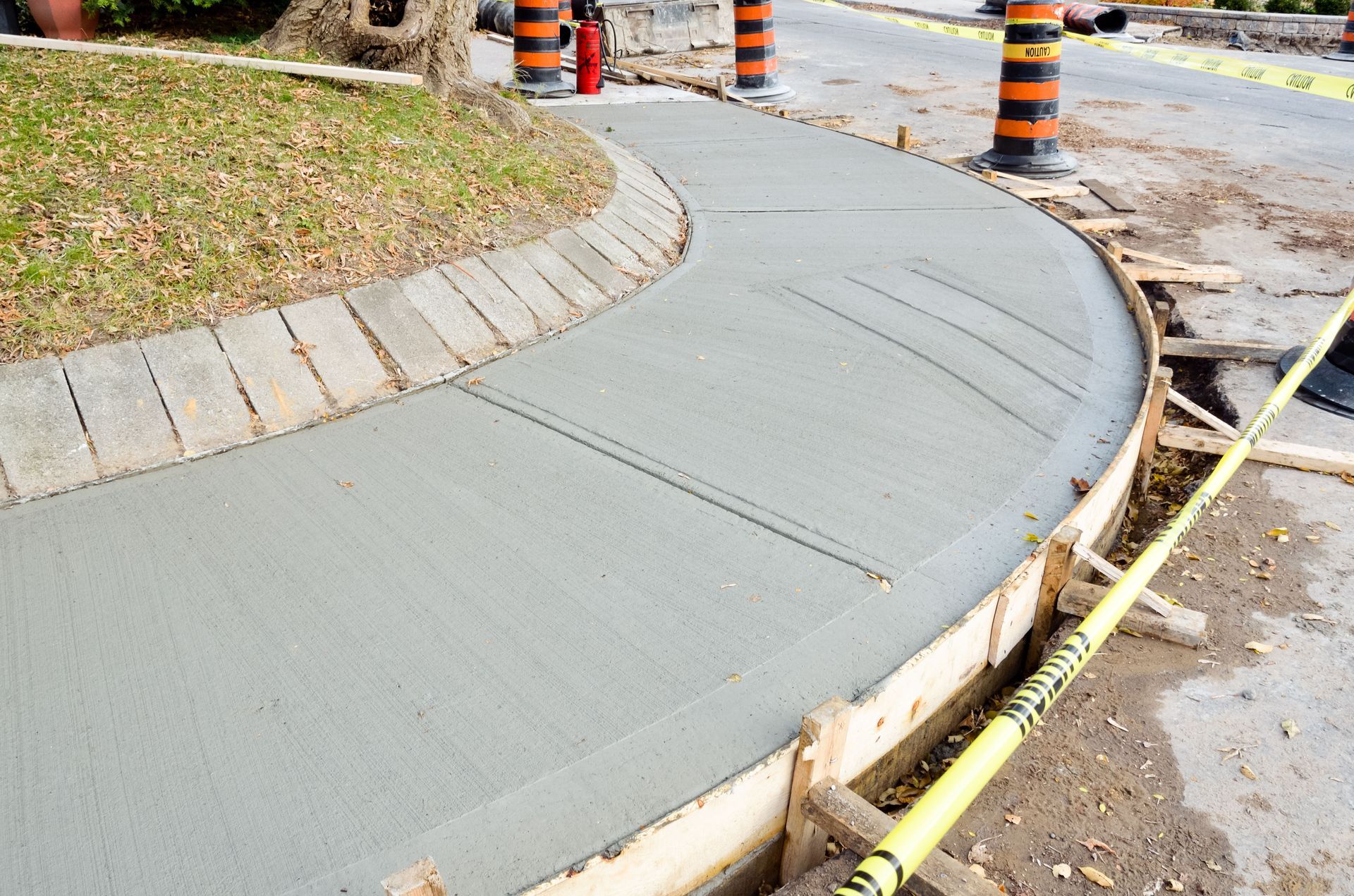
Soil preparation plays a critical role in overall slab stability. Experts assess ground conditions and soil composition before beginning any pour on a site. Crews compact the earth and add necessary aggregate base layers to the excavated area. This preliminary step prevents settling and shifting as the ground fluctuates. A well-prepared subgrade provides a stable base for the heavy material, preventing future sinkage.
Reinforcement adds a vital layer of security to the structure. Professionals utilize thick steel rebar or wire mesh to bolster the slab against heavy loads. This internal skeleton absorbs tensile forces that the cement alone cannot withstand without breaking. Such reinforcement minimizes the risk of major fractures forming across the surface of the pavement. A reinforced slab maintains its shape and function despite constant usage.
Proper curing techniques finalize the structural integrity of the project. Moisture must remain within the slab for an extended period to achieve peak strength. Professionals apply specific curing compounds or physical barriers to retain this necessary moisture. A slow cure results in a dense, durable surface capable of resisting wear. Rushing this process weakens the top layer and compromises the entire installation, leading to premature degradation.
2. Managing Physical Demands
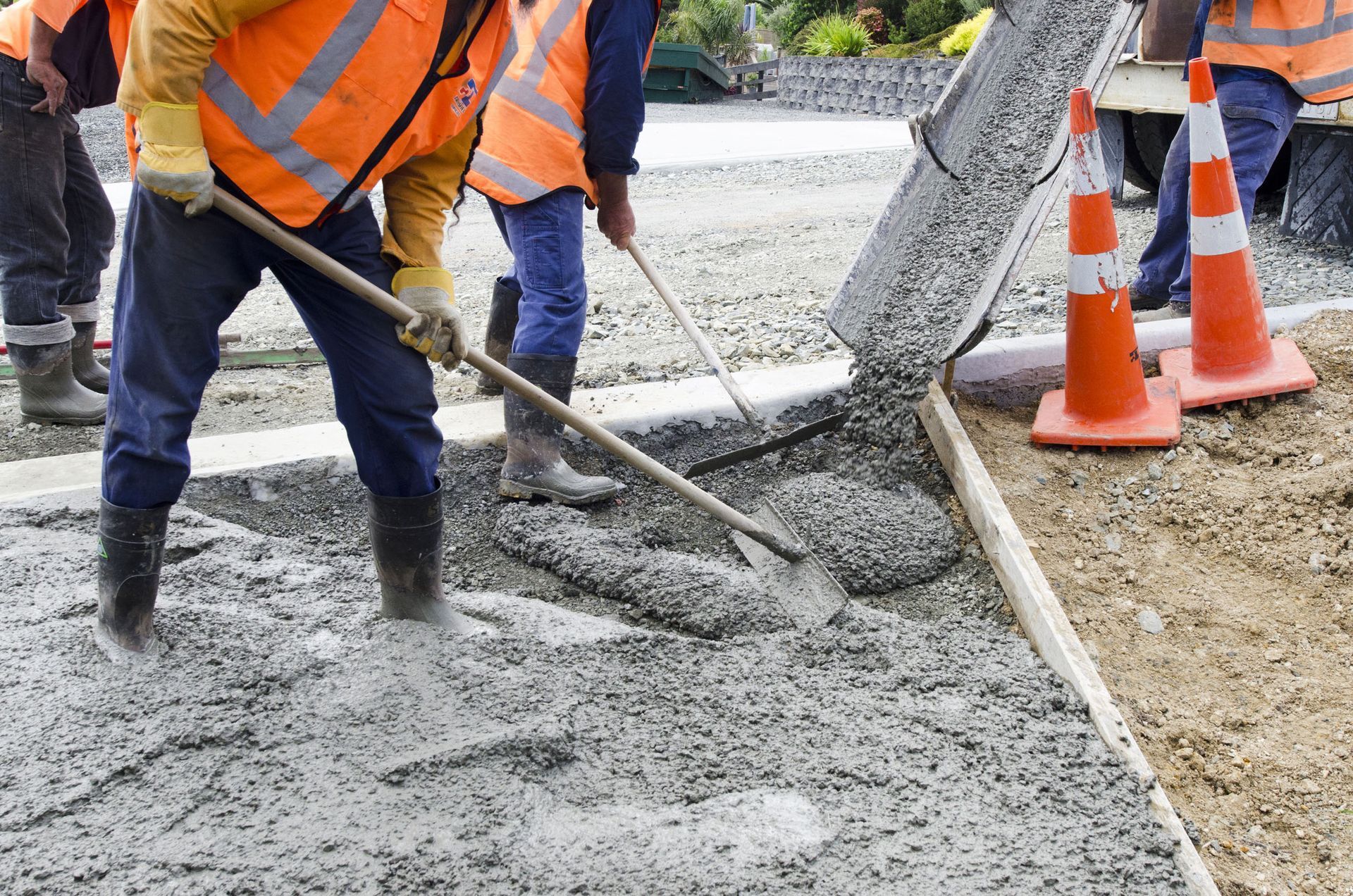
Working with wet cement involves extreme, grueling physical labor. The sheer mass of the material makes manual handling difficult for average individuals. According to This Old House, concrete weighs around 145 pounds per cubic foot. Moving such heavy loads requires specialized machinery and significant physical stamina from the crew. Inexperienced individuals face severe exhaustion and potential injury when attempting such strenuous work without adequate preparation.
Navigating the site with heavy wheelbarrows exhausts inexperienced workers in a short timeframe. Fatigue leads to critical mistakes in pouring and finishing the surface. Professional concrete contractors possess the endurance and the equipment necessary to transport the material without faltering. Crews use mechanized pumps and power buggies to move the mixture across large areas. These mechanical aids prevent physical burnout and maintain a steady workflow.
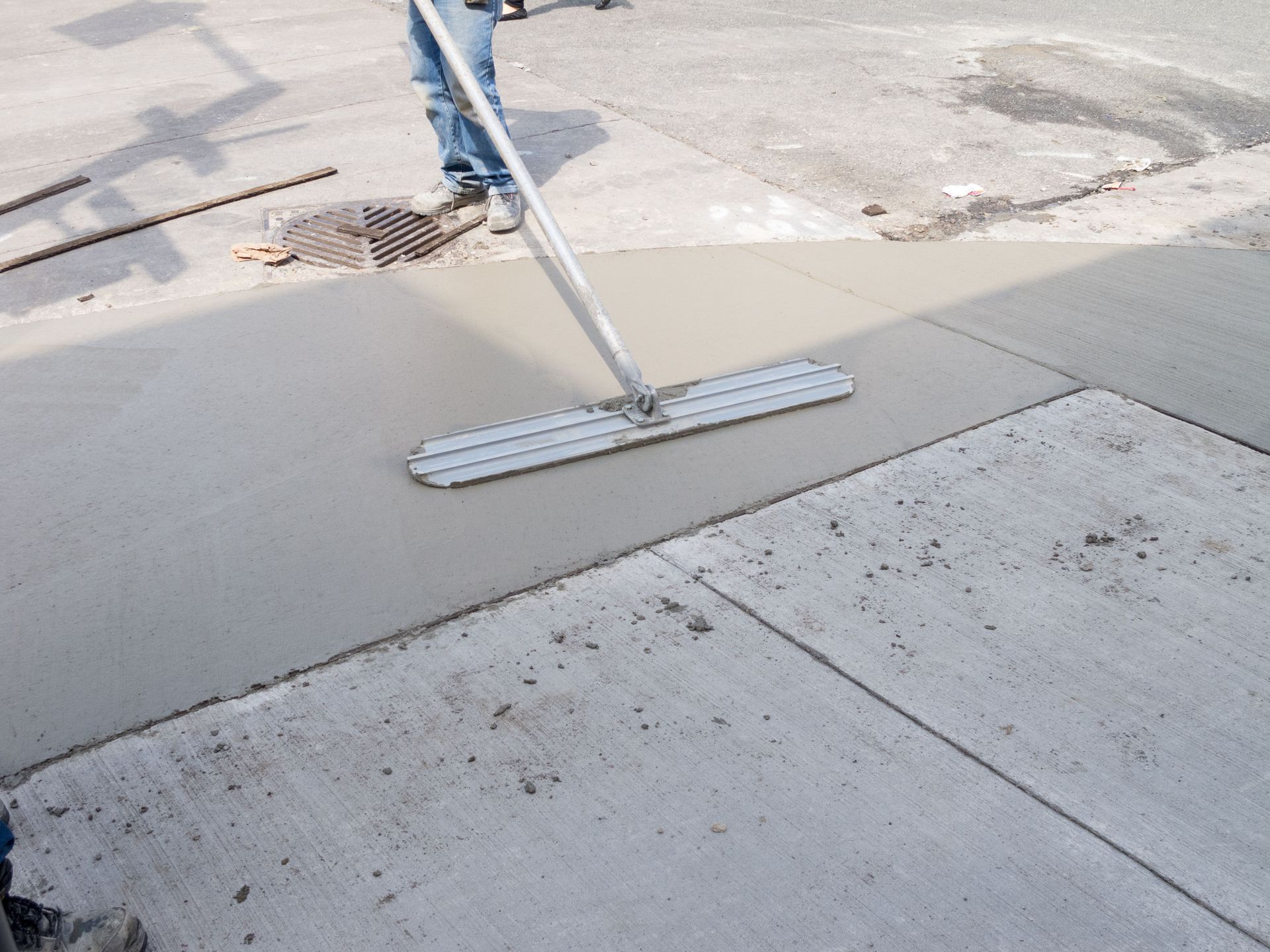
The leveling process, known as screeding, demands tremendous upper body strength and coordination. Workers drag a heavy board across the wet surface to remove excess material and flatten the slab. This action must occur before the mixture begins to harden and set. A professional team coordinates this effort with practiced efficiency. Their synchronized movements guarantee a flat and even surface across the entire poured area.
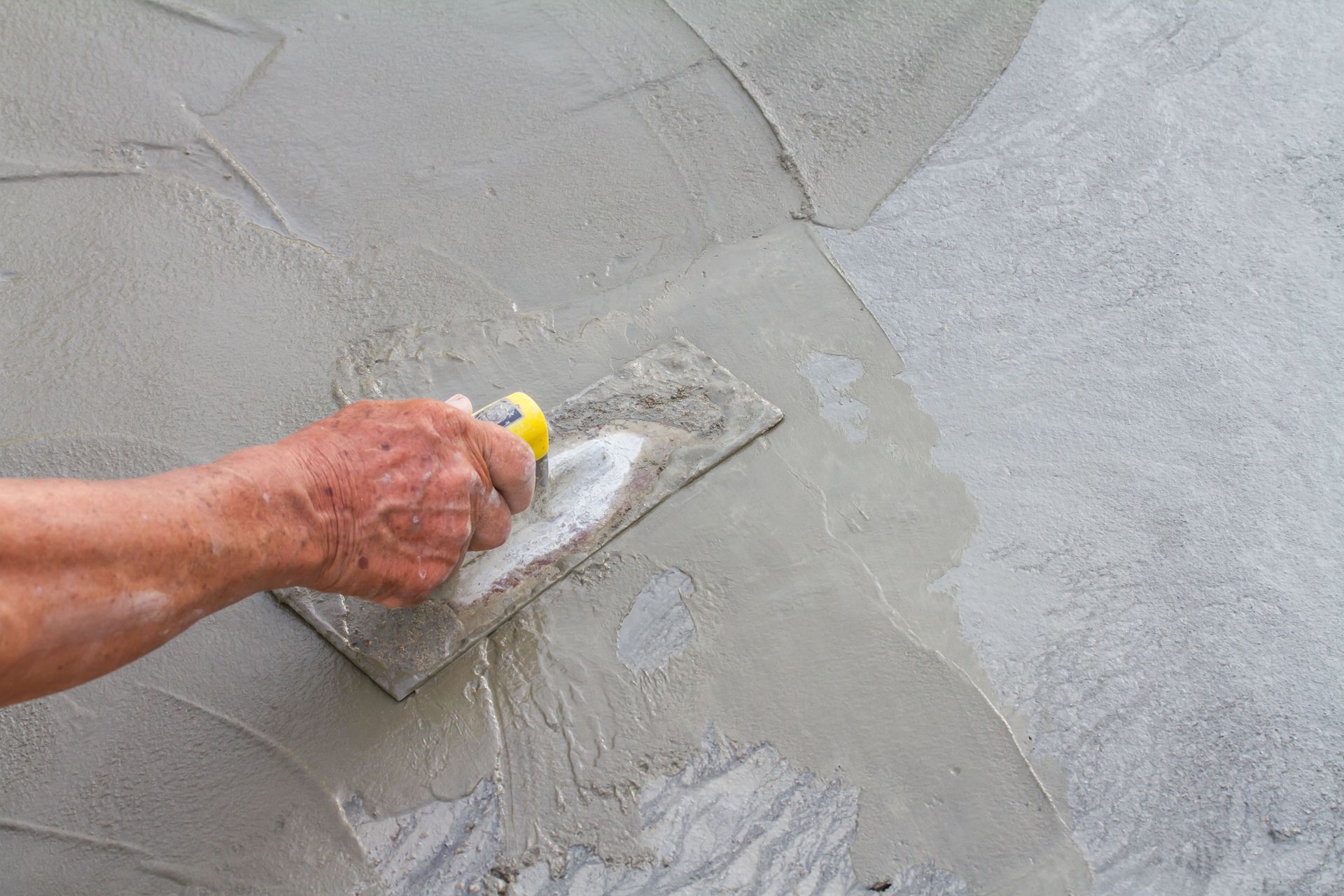
Finishing the surface requires kneeling and bending for extended durations. Troweling smooths the top layer and forces aggregate down into the mixture for a refined look. This repetitive motion strains the back and knees of anyone unaccustomed to the demanding work. Experienced crews wear protective gear and utilize long-handled tools to alleviate physical stress. Their specialized tools allow them to maintain an even finish with minimal strain.
3. Achieving Aesthetic Excellence
Beyond basic utility, decorative applications enhance overall property value and curb appeal. Stamped patterns replicate the look of natural stone, brick, or wood planks. Achieving these intricate designs requires an artistic eye and precise timing during the curing process. Professional concrete contractors press specialized mats into the surface at the moment of perfect plasticity. This technique transforms a plain driveway into an elegant architectural feature.
Color integration adds visual appeal to dull grey slabs and patios. Professionals mix pigments into the batch for uniform coloring throughout the entire slab profile. Experts also apply surface stains to create mottled, antiqued appearances on finished floors. These chemical reactions require a deep understanding of how distinct materials interact with the cement matrix. The resulting vibrant colors elevate the visual standard of any living space.
Exposed aggregate finishes offer a textured, rustic appearance for patios, pool decks, and walkways. Creating this look involves removing the top layer of cement paste to reveal the decorative stones beneath. Workers must apply a surface retarder and wash away the top layer at a precise time. Misjudging this critical window results in a smooth surface or dislodged stones. Professional timing ensures a beautiful, slip-resistant surface.
Polished surfaces provide a sleek, modern aesthetic for interior commercial or residential spaces. Heavy grinding machines smooth the floor using progressive diamond grits to achieve a shine. This mechanical process reveals the aggregate and creates a glossy, reflective finish. Only experienced concrete contractors possess the heavy machinery and technical knowledge to achieve a mirror-like finish. This polished look requires dedicated expertise to execute without leaving gouges.
4. Preventing Costly Mistakes
Errors during a pour carry heavy financial consequences for property owners. After the mixture hardens, correcting mistakes requires destructive, noisy demolition. Jackhammering a flawed slab consumes vast resources and delays overall construction schedules. Hiring concrete contractors from the beginning mitigates the risk of such expensive blunders. Proper execution from the start saves property owners from exorbitant replacement expenses and endless construction headaches.
Incorrect slope grading causes severe drainage issues around residential and commercial buildings. Water pooling near a building foundation leads to extensive moisture damage and mold growth over time. Professionals use specialized tools to calculate the exact pitch required for proper water runoff. This precision directs rainwater away from vulnerable structures and basements. Proper grading protects the entire property from insidious water intrusion and subsequent structural rot.
Weather conditions dictate the success or failure of an outdoor pour. Extreme heat causes rapid moisture evaporation, leading to unsightly shrinkage cracks across the surface. Freezing temperatures halt the hydration process, ruining the necessary chemical bonds. Professionals monitor meteorological forecasts and adjust their mixture or schedule to accommodate environmental variables. This adaptability ensures the slab cures under optimal conditions regardless of the changing season.
Overwatering the mixture remains a common error among enthusiastic amateurs. Excess water makes the heavy material easier to spread but reduces its final load-bearing strength. The resulting weak surface becomes prone to flaking and spalling after minor everyday use. Experts measure water-to-cement ratios with precision to guarantee a durable, solid end product. Their meticulous measurements prevent surface failures and ensure long-lasting quality for the client.
From decorative patios to load-bearing foundations, every project demands deep respect for the material and the process. Avoiding common installation pitfalls saves money and frustration in the long run. By relying on qualified concrete contractors, property managers secure a safe, beautiful, and lasting investment for their real estate. Professional intervention remains the most logical choice for any significant construction requirement. Genuine expertise transforms raw materials into reliable infrastructure. If you are ready to begin your next project, reach out to us at Lymm Construction today. We are the concrete contractors who will ensure your job is executed with absolute precision.