October 16, 2026
Paved surfaces such as driveways, walkways, patios, and foundation slabs are essential structural components of residential and commercial properties. Over time, exposure to severe weather, heavy vehicular traffic, and natural aging can cause severe surface degradation across outdoor features. A highly destructive form of surface deterioration is spalling, which occurs when the top layer of concrete chips, flakes, or peels away. This leaves pitted, uneven, and unsightly surfaces that compromise both property aesthetics and structural integrity. Engaging local concrete contractors at the first sign of surface damage helps homeowners address underlying vulnerabilities before minor flaking transforms into widespread structural failure across paved areas.
Understanding why spalling happens is the essential first step toward preventing long-term damage and preserving physical property value. While surface flaking may initially appear to be merely a cosmetic issue, unaddressed spalling allows moisture to penetrate deeper into the slab, accelerating internal deterioration and weakening structural stability. Professional restoration techniques restore the smooth finish of damaged surfaces while reinforcing the internal framework of the slab. Partnering with skilled local concrete contractors ensures that restoration work is executed using proper materials, precise application methods, and long-lasting protective sealers that shield surfaces from future environmental damage.
Identifying Freeze and Thaw Moisture Damage
Water infiltration is a leading cause of surface spalling in regions that experience cold winter temperatures. Concrete is inherently porous, containing microscopic capillaries that readily absorb standing water from rain, melting snow, and ice. When temperatures drop below freezing, trapped moisture expands within these microscopic pores, generating intense internal hydrostatic pressure. Over repeated freeze and thaw cycles, this internal pressure fractures the surface layer, causing top sections of the slab to crack and flake away.
Preventing freeze-thaw damage requires eliminating standing water and sealing microscopic pores against moisture intrusion. Professional repair technicians evaluate drainage patterns around affected slabs to ensure rainwater flows away from paved surfaces effectively. Working with local concrete contractors allows property owners to apply high-performance penetrating sealers that block moisture absorption, protecting slabs from seasonal temperature fluctuations and preventing recurring surface flaking.
Mitigating Corrosion in Internal Reinforcement Steel
Many structural slabs and heavy-duty driveways contain internal steel rebar or wire mesh to enhance tensile strength. When surface cracks develop or when concrete permeability allows water and deicing salts to reach embedded steel, corrosion begins. As internal steel rusts, it expands up to several times its original volume, generating immense outward pressure against the surrounding material. This internal expansion fractures the concrete from within, eventually causing large sections of the surface to spall and break away.
Repairing corrosion-induced spalling requires exposing damaged reinforcement steel, removing built-up rust, and applying protective anti-corrosion coatings. Technicians then patch the excavated area with high-strength structural repair mortars engineered to bond securely with the surrounding material. Contracting local concrete contractors ensures that internal steel reinforcement is properly treated and protected, restoring full load-bearing capacity to affected driveways, walkways, and foundation walls.
Correcting Improper Concrete Mixing and Finishing Techniques
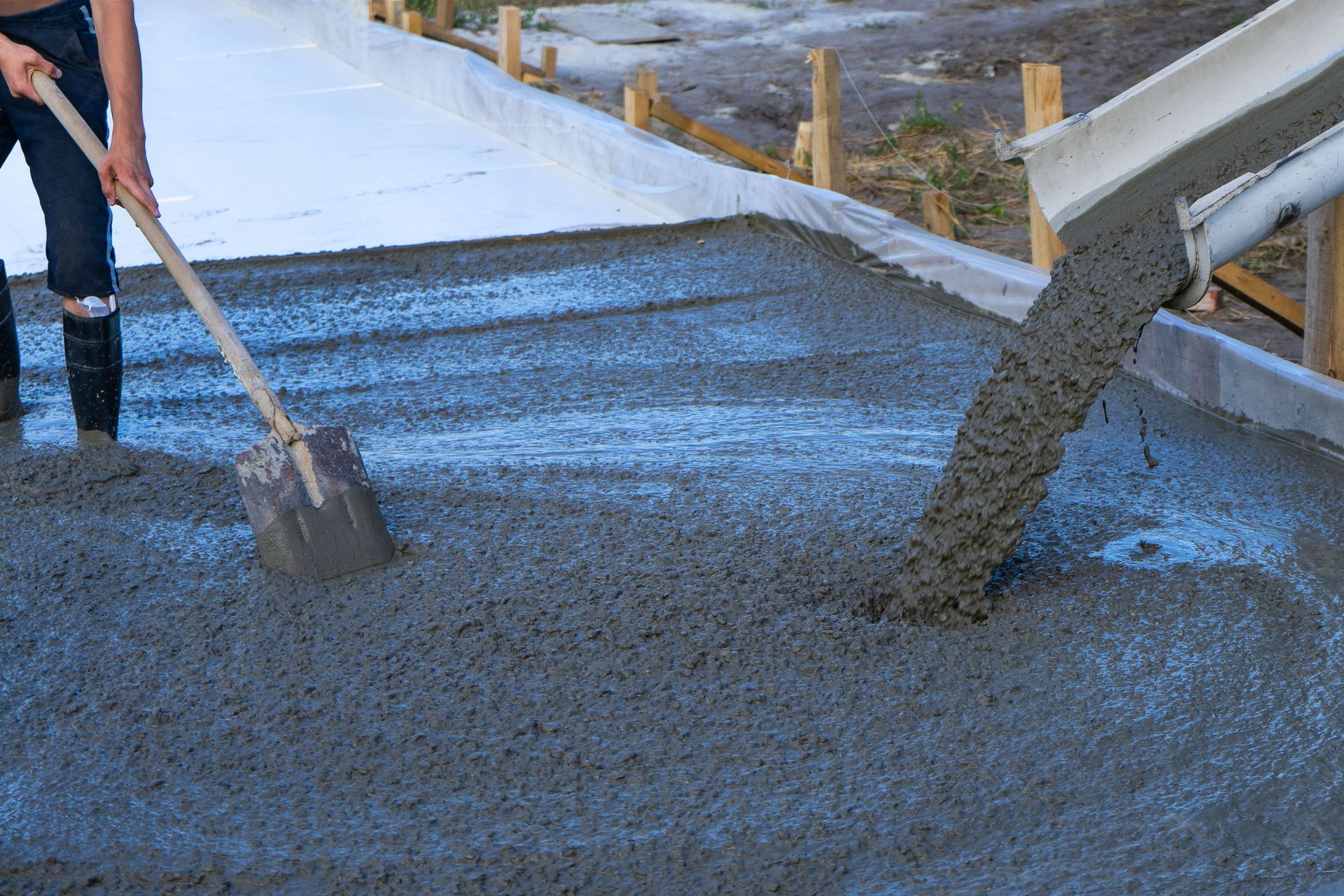
Spalling often stems from errors made during initial mixing, pouring, or surface finishing operations. Adding excessive water to the concrete mix to increase workability creates a high water-cement ratio, which significantly weakens the cured slab. Additionally, finishing the surface prematurely while bleed water remains trapped underneath weakens the top layer, leaving a fragile surface prone to flaking under normal foot and vehicular traffic.
Correcting deficiencies caused by improper original placement requires removing weak, compromised surface layers down to sound material. Technicians utilize mechanical scarification or shot-blasting to prepare the surface before applying advanced polymer-modified resurfacing compounds. Collaborating with skilled repair specialists guarantees that surface preparation is completed meticulously, creating a durable bond that withstands heavy daily usage without premature scaling.
Evaluating Alternative Restoration and Leveling Methods
When concrete surfaces develop spalling alongside minor settling or unevenness, property owners often weigh repair options against complete demolition. Restoring existing slabs through surface overlays and structural leveling techniques saves substantial time while preserving established landscaping and surrounding structures. Modern restoration methods restore structural integrity and surface smoothness without the disruptive excavation associated with complete replacement projects.
Surface leveling and specialized resurfacing provide efficient alternatives for aging paved surfaces that remain structurally sound underneath. According to Homeguide, concrete leveling requires 25% to 50% less financial outlay than concrete replacement. Consulting with experienced local concrete contractors helps property owners select appropriate repair strategies that address surface spalling and minor settling while extending the overall lifecycle of existing driveways, patios, and walkways.
Applying Advanced Polymer Overlays and Resurfacing Compounds
Modern resurfacing technology provides an effective solution for transforming spalled, pitted surfaces without removing intact slabs. Polymer-modified cement overlays are engineered to bond at a molecular level with existing concrete, creating a smooth, durable wearing surface that resists abrasion, moisture, and chemical exposure. These advanced materials can be customized with various textures and finishes to enhance outdoor curb appeal.
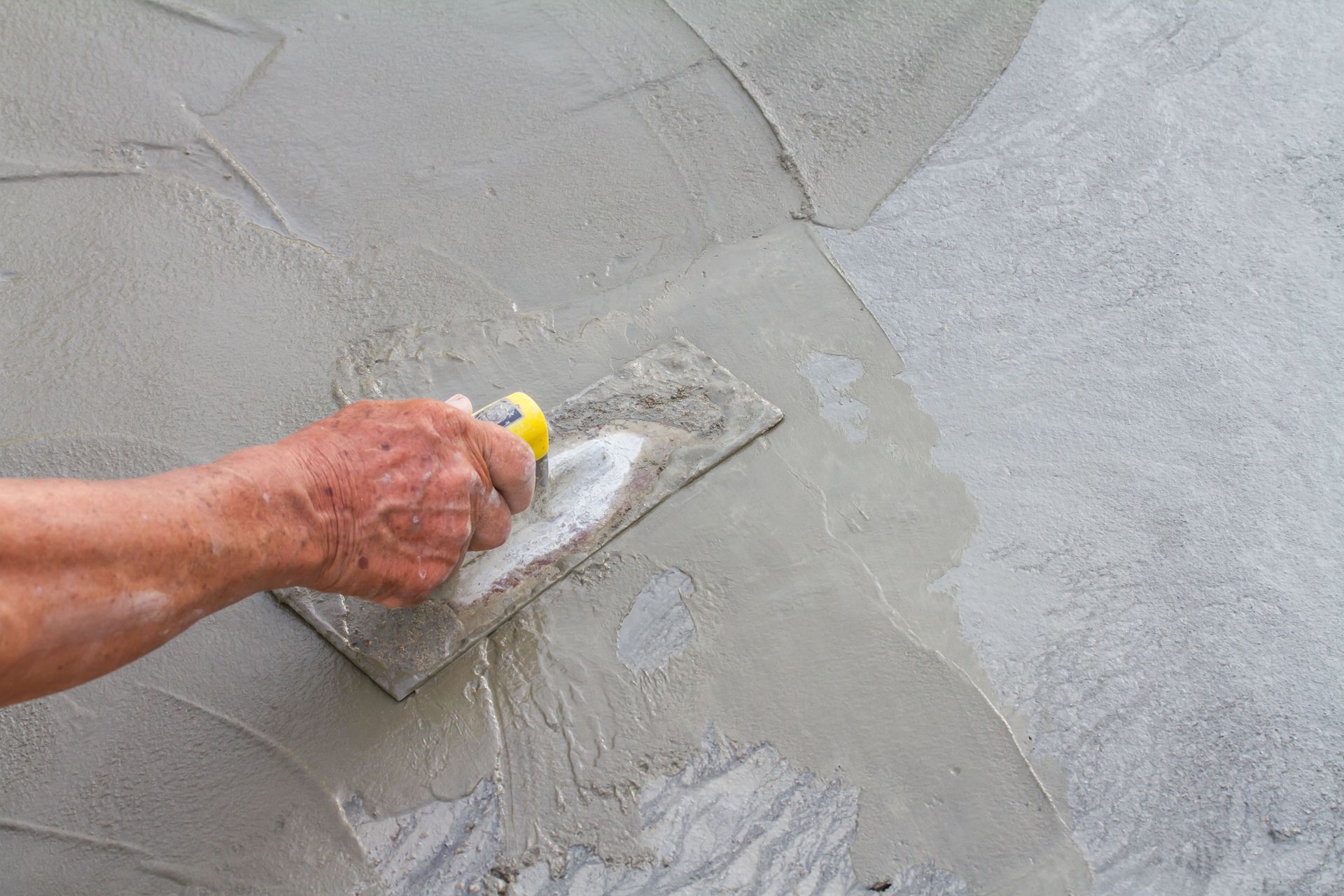
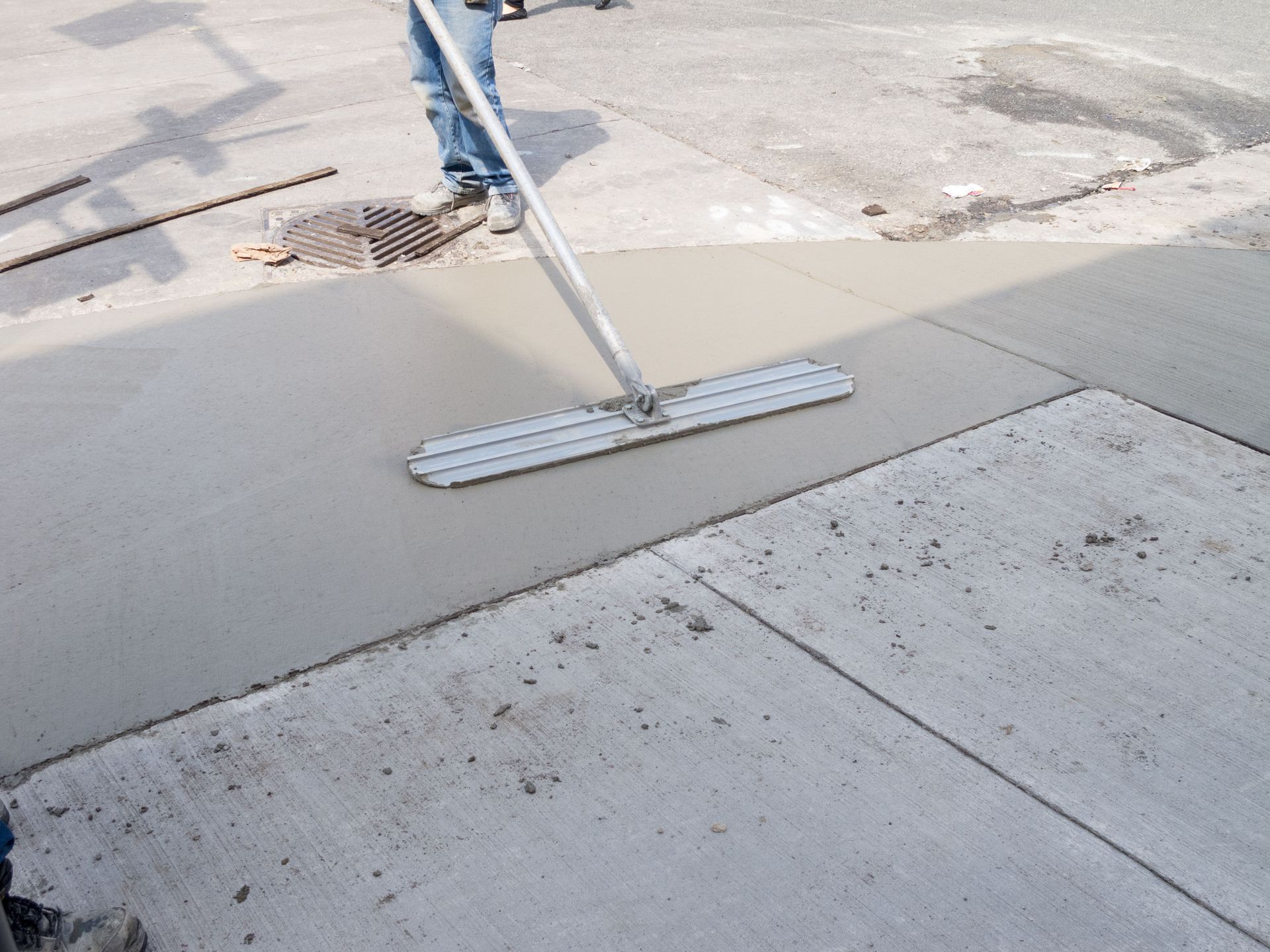
Applying polymer overlays requires precise surface preparation, including thorough pressure washing, acid etching, and primer application to ensure maximum adhesion. Technicians apply resurfacing compounds evenly across the slab, smoothing out pitted areas and restoring uniform color. Experienced restoration technicians ensure that overlay materials are mixed to exact manufacturer specifications, producing a resilient finish that withstands harsh environmental exposure.
Enforcing Proper Curing and Surface Sealing Standards
Achieving maximum strength and durability in concrete repairs depends on proper curing and sealing protocols. Rapid moisture loss during the initial curing phase prevents cement hydration, leading to weak surface layers vulnerable to future spalling. Professional repair crews utilize specialized curing compounds and moisture-retaining covers to control moisture evaporation during the critical curing window.
Once repair materials have fully cured, applying high-performance commercial sealers provides a vital line of defense against future environmental damage. Penetrating silane-siloxane sealers create a hydrophobic barrier beneath the surface, repelling water, oil, and chemical deicers. Partnering with local concrete contractors guarantees that repair projects are completed with professional-grade sealers, protecting restored surfaces against freeze-thaw cycles and chemical exposure for years to come.
Implementing Proactive Maintenance for Long-Term Durability
Protecting repaired concrete surfaces requires ongoing proactive maintenance practices that prevent moisture intrusion and surface wear over time. Promptly sealing minor surface cracks prevents water from penetrating beneath the slab and reaching structural reinforcement bars. Removing heavy accumulations of snow, ice, and harsh deicing chemicals during winter months also minimizes chemical degradation of top sealant layers across active driveways and walkways.
Routine visual inspections allow property owners to identify minor surface wear before it develops into severe spalling. Clearing organic debris, maintaining surrounding soil drainage, and applying touch-up sealants periodically extend the service life of restored slabs. Working with knowledgeable local concrete contractors provides access to ongoing maintenance guidance and protective treatments that keep residential and commercial paved surfaces looking pristine year after year.
Addressing concrete spalling promptly restores the safety, structural integrity, and visual appeal of driveways, walkways, patios, and outdoor slabs. Understanding primary causes such as freeze-thaw cycles, rebar corrosion, and improper finishing allows property owners to take proactive steps toward long-term surface protection. Utilizing advanced polymer overlays, structural patching compounds, and penetrating sealers ensures that repaired surfaces remain durable, attractive, and highly resistant to future environmental exposure.
If you are ready for professional concrete repair and surface restoration, contact us at Lymm Construction today. We will help you protect and renew your property with durable, expertly engineered concrete solutions tailored to your needs.