September 18, 2026
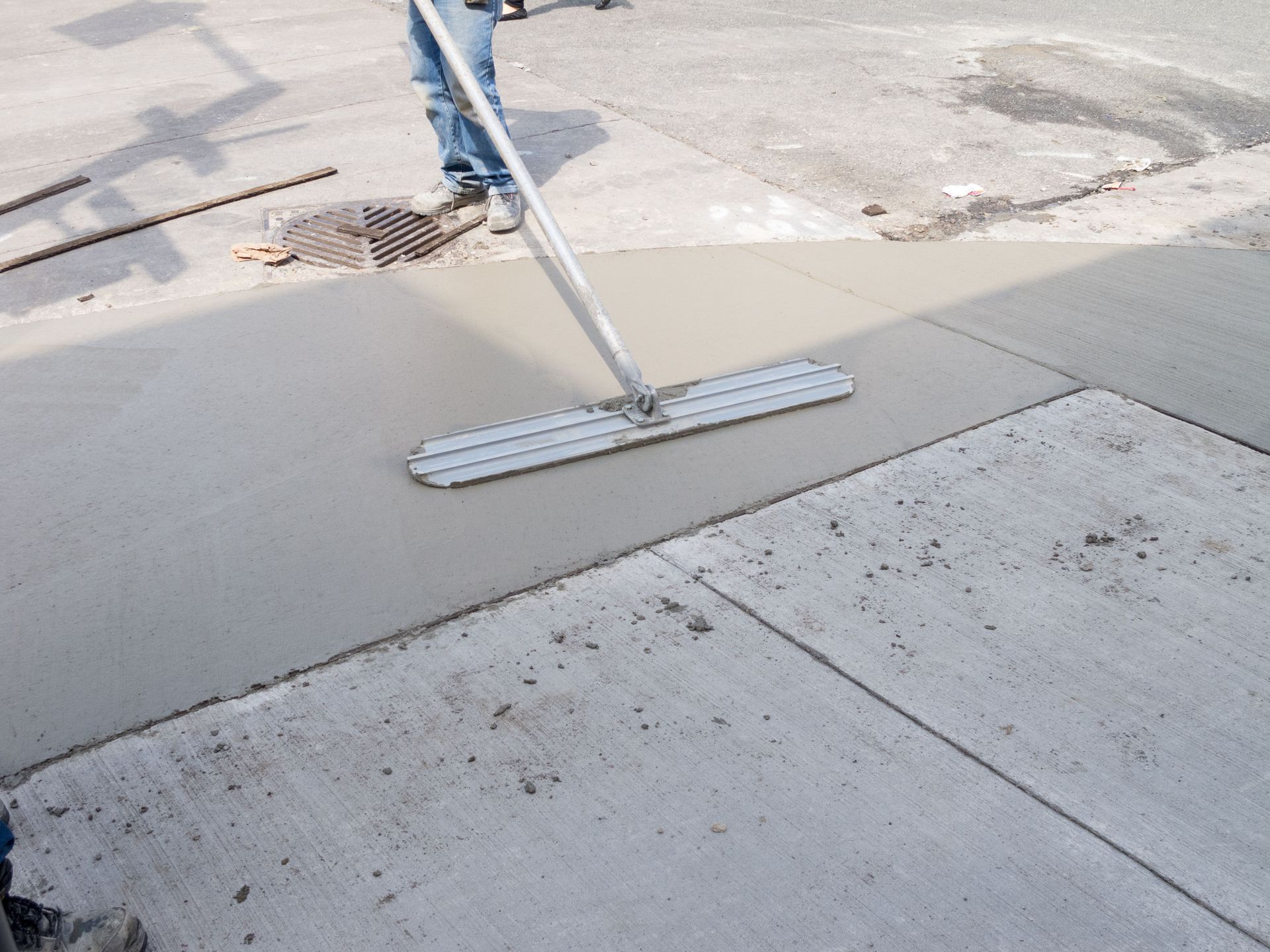
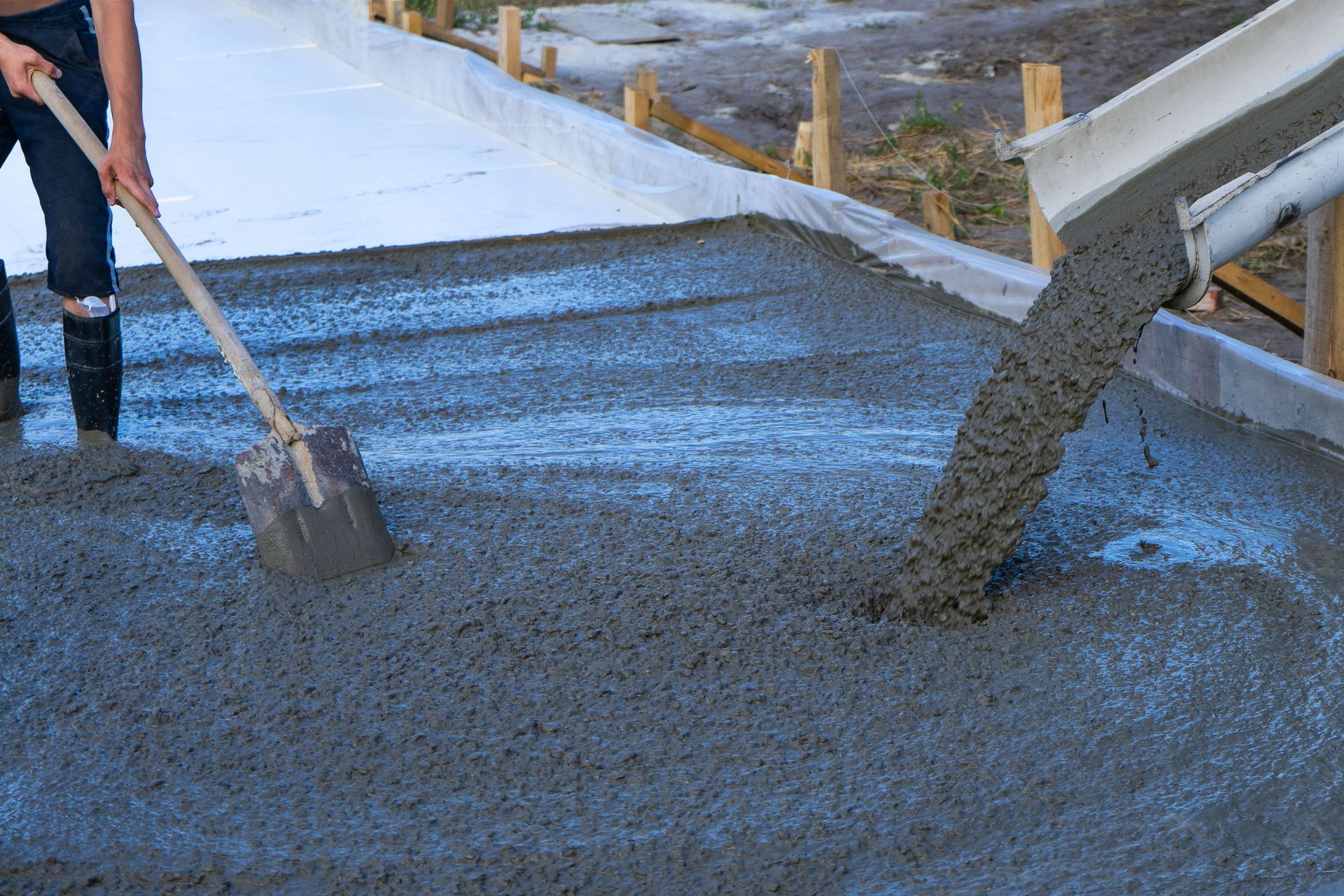
Concrete is one of the most versatile and widely used building materials. This article explores its various applications across both residential and commercial sectors, highlighting the expertise and services provided by concrete professionals. Its adaptability and robustness make it indispensable in modern construction practices. With continuous innovations in the field, the potential uses for concrete seem limitless, offering solutions for an array of architectural and engineering challenges. Concrete can be adapted to meet the specific demands of projects of nearly every size and type. From residential features that improve everyday functionality to commercial structures designed for heavy use, its dependable performance makes it a valuable choice for property owners and builders alike.
Explore the Benefits and Versatility of Concrete
Concrete offers a unique combination of strength, durability, and cost-effectiveness, making it a popular choice in construction projects globally. It has the ability to withstand severe weather conditions and natural disasters such as hurricanes and earthquakes. Additionally, concrete's thermal mass properties enable it to absorb heat and release it slowly, aiding in energy efficiency. Furthermore, its fire-resistant nature provides an added layer of safety in buildings. This exceptional resistance to fire helps in reducing fire hazards significantly, adding peace of mind for both residential and commercial property users.
Aside from its structural benefits, concrete is remarkably versatile in terms of design flexibility. It can be molded and sculpted into a vast array of shapes and textures, allowing for innovative architectural expressions. This adaptability extends to both simple structures and complex architectural designs, enabling bespoke creations. Moreover, the color can be customized to suit different aesthetic requirements through the use of various pigments and aggregates. Architects frequently leverage this flexibility to achieve unique visual effects, pushing the boundaries of conventional design while maintaining structural soundness.
Concrete also plays a crucial role in sustainability, as it consumes minimal resources and is fully recyclable. Innovations such as green concrete, which uses industrial byproducts, further enhance its eco-friendly attributes. Additionally, according to the Global Cement and Concrete Association, approximately 40% of concrete production is used for residential purposes, signifying its importance in sustainable urban development. The long lifespan of concrete structures reduces the need for frequent rebuilding, conserving raw materials and lowering emissions over time. All these factors make concrete a preferred material for eco-conscious builders.
Build Durable and Comfortable Residential Spaces
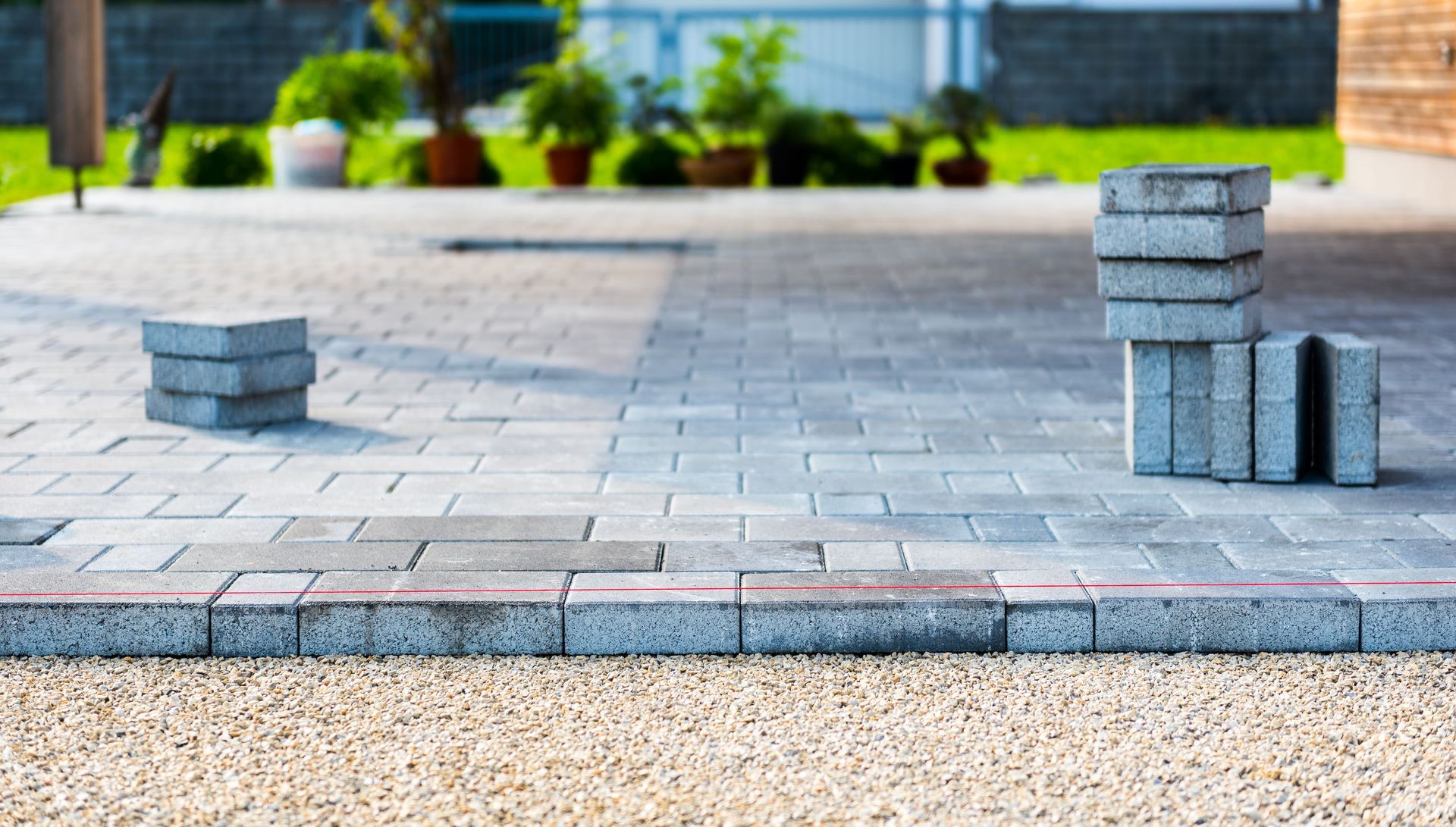
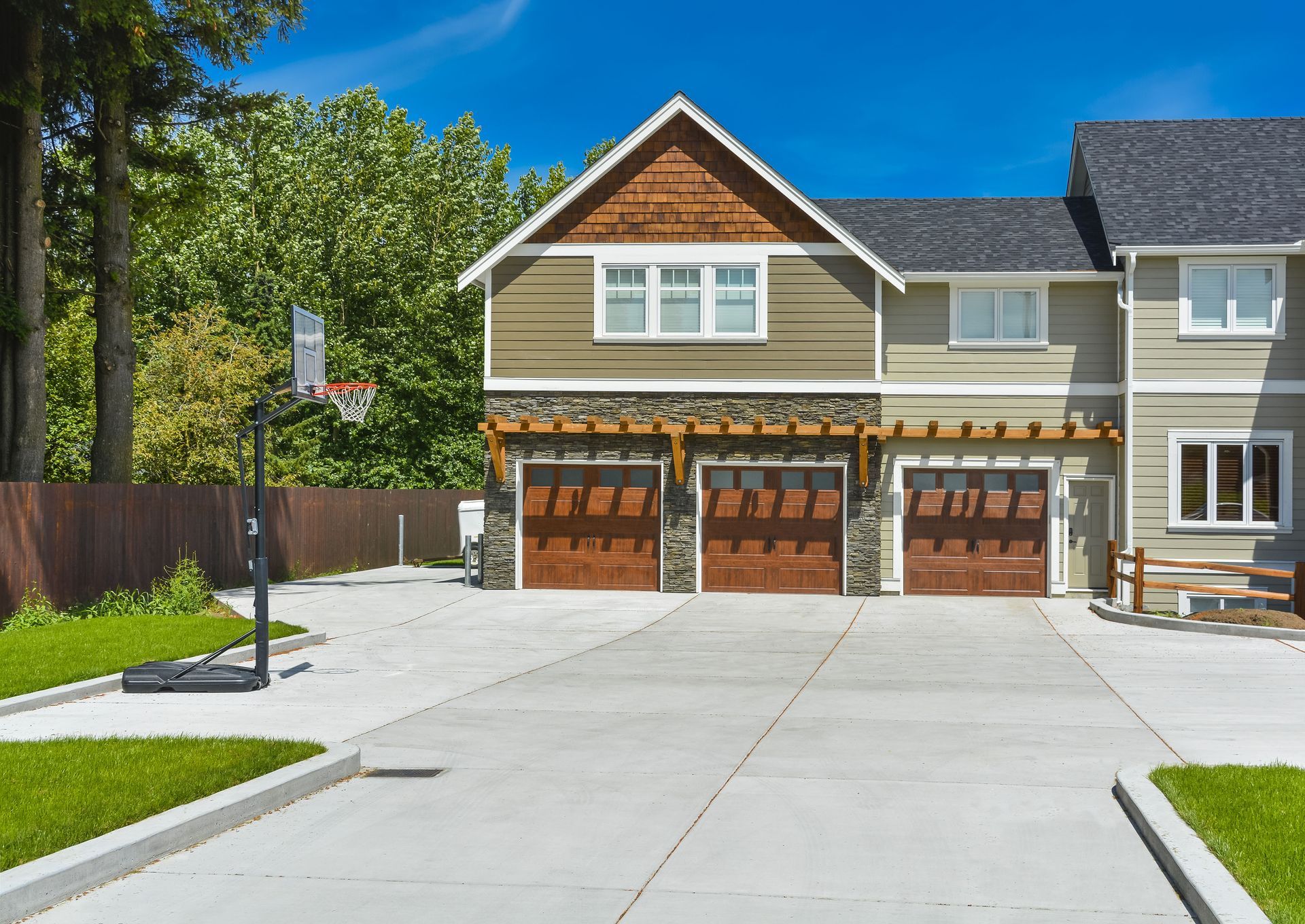
In residential construction, concrete is the backbone of foundational and structural elements. It is commonly used to construct foundations, driveways, walkways, and patios. These applications not only enhance the aesthetics of a home but also improve its durability and longevity. Furthermore, the sound resistance properties of concrete make it an ideal material for creating quiet and peaceful living environments. Many homeowners appreciate the return on investment provided by durable concrete structures, which can improve property value and market appeal.
Another significant use of concrete in homes is in the construction of countertops and flooring, where its strength and versatility shine. Polished concrete flooring is increasingly popular due to its sleek appearance and low maintenance requirements. Concrete countertops also offer customizable design opportunities and robust durability, catering to modern kitchen designs. Homeowners often rely on expert concrete services to ensure the perfect finish and durability of such features. Skilled craftsmanship is crucial in incorporating personalized design elements, giving a home its distinct character while respecting practicality.
Concrete walls are yet another residential application, providing superior insulation and energy efficiency. These walls help maintain consistent indoor temperatures, reducing reliance on heating and cooling systems. The seismic and fire-resistant properties of concrete walls further contribute to the safety and protection of homes. As a trusted material, concrete continually proves itself indispensable in creating comfortable and resilient residences. By integrating these concrete structures, residences can achieve a high level of energy performance, adding to comfort and minimizing environmental impact.
Support Commercial and Infrastructure Projects
Concrete's applications stretch far beyond the residential sector, deeply influencing urban infrastructure and commercial construction. In commercial settings, it is the linchpin for constructing office buildings, retail centers, and industrial complexes. Its strength-to-cost ratio provides an attractive option for developers and builders, appealing both structurally and financially. Buildings constructed with concrete benefit from reduced maintenance costs and enhanced lifespan. The adaptability of this material supports scalability, catering to both small-scale projects and massive infrastructural ventures.
Moreover, concrete's adaptability makes it a crucial element in bridges, highways, and tunnels, supporting the extensive network of modern transportation. Infrastructure projects rely heavily on concrete due to its durability and load-bearing capabilities. Additionally, concrete's resistance to external environmental conditions ensures that infrastructure remains functional and safe over long periods. For these projects, a concrete service specializing in large-scale infrastructure is often employed to ensure quality and efficiency. The dependability of concrete in such contexts underscores its role in facilitating and sustaining economic growth by connecting diverse regions.
Public amenities such as schools, hospitals, and sports facilities also leverage concrete for their construction. These buildings demand a high standard of safety, coupled with the ability to accommodate a large number of people. Concrete ensures that these conditions are met with its various advantageous properties. Furthermore, its ability to be cast into any shape enables functional and aesthetically pleasing designs for community spaces. This versatility allows public structures to offer a welcoming environment that encourages community engagement and bolsters civic identity.
Choose Reliable Concrete Services for Your Project
When hiring a concrete service for any construction project, several key factors must be taken into account. Experience and expertise are paramount, as these qualities ensure tasks are executed with precision and professionalism. Prospective clients should inquire about the service provider's past projects to assess their proficiency. Additionally, understanding their approach to sustainability and innovative building techniques is crucial in today's environmentally-conscious construction landscape. Engaging a service known for proactive problem-solving can lead to smoother project execution and enhanced outcomes.
It's also essential to evaluate the quality of materials and equipment of the concrete service. High-quality inputs are vital for achieving the desired structural integrity and finish. Moreover, the use of modern machinery and technology generally translates to better efficiency and quality control. Ensuring that the service provider complies with industry standards and local building codes is equally important for the success of the project. Conducting due diligence on these aspects can save developers from unforeseen problems and financial setbacks in the future.
Communication and customer support are further aspects to consider, as these elements facilitate collaboration and problem-solving throughout the construction process. The service should be able to provide clear timelines and maintain transparency in its processes and costs. Finally, securing a firm that guarantees its work with appropriate warranties provides added peace of mind. These considerations collectively ensure that the chosen concrete service fulfills the project's requirements effectively and efficiently. A well-chosen service can enhance project quality, align with sustainability goals, and ultimately contribute to achieving visionary architectural outcomes.
Concrete's role in both residential and commercial sectors is pivotal, providing durability, versatility, and sustainability. By understanding the advantages and carefully selecting concrete services, builders and property owners can ensure successful and sustainable construction projects. The strategic use of concrete not only supports aesthetic and functional requirements but also advances environmental stewardship. As technology and practices evolve, its significance is expected to grow, shaping the future of construction dramatically. Reach out to Lymm Construction to learn more about our services today.