September 16, 2026
Concrete is the backbone of modern infrastructure, serving as the literal foundation for homes, commercial complexes, and massive municipal projects. Despite its widespread use, there is a common misconception that concrete simply dries out to gain its strength. In reality, concrete undergoes a complex chemical process known as hydration, where water reacts with cementitious materials to form a durable crystalline matrix. This critical phase is known as curing. Without adequate curing, even the most expertly mixed concrete will fall short of its intended strength and longevity.
Understanding the fundamentals of curing allows builders, property owners, and contractors to achieve maximum structural integrity. As demand for construction continues to climb globally, professional concrete services play an increasingly essential role in overseeing these technical processes. According to Technavio, the concrete contractor market is projected to grow by $536 billion from 2023 to 2028, expanding at a CAGR of 0.7%. This growth underscores the sheer volume of concrete being poured every day and highlights why adherence to proper curing protocols is more important than ever.
Exploring the Science of Hydration
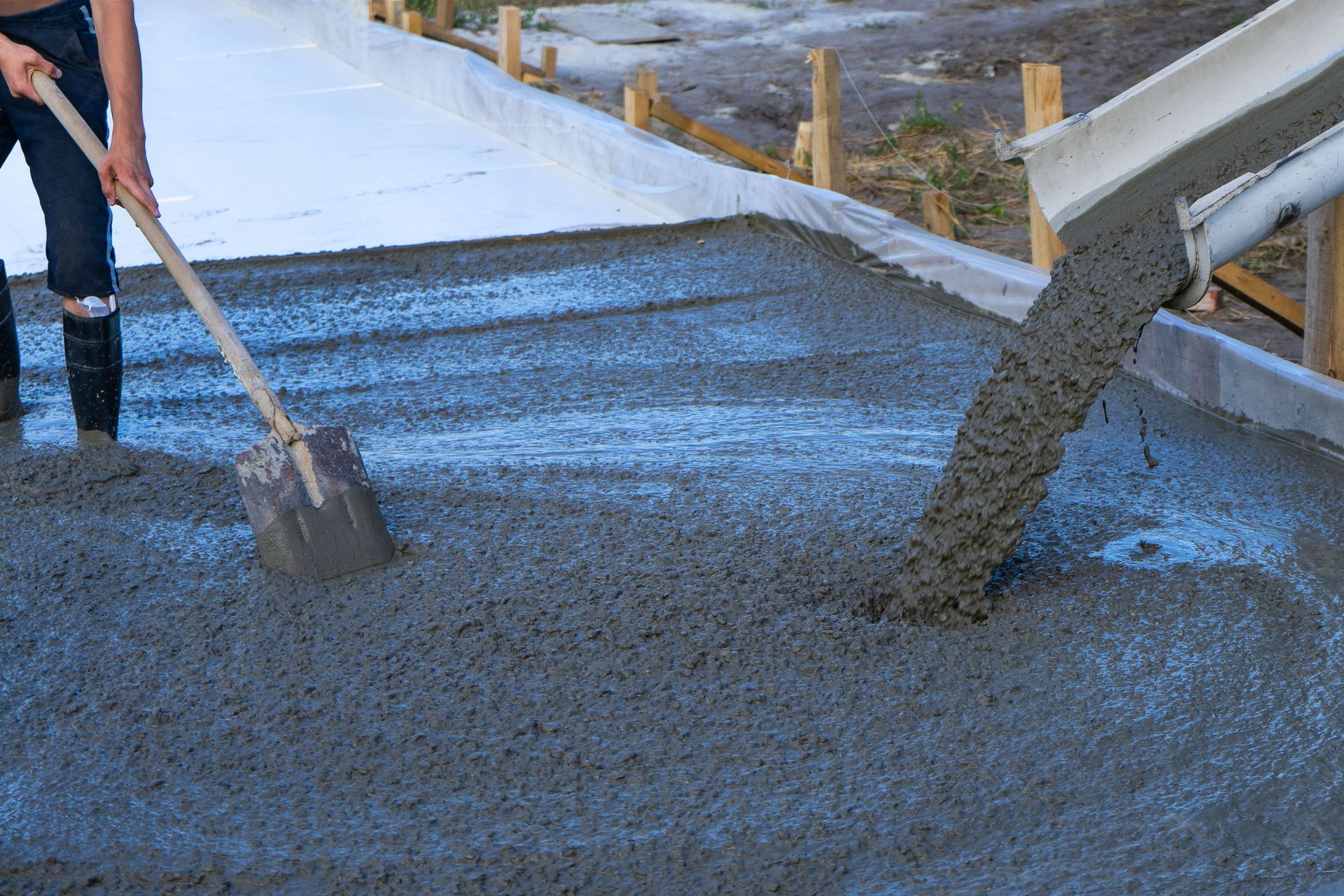
To appreciate why curing is necessary, one must look at what happens at the microscopic level after concrete is poured. Concrete is a mixture of aggregates, water, and Portland cement. When water is added to the cement powder, it initiates an exothermic chemical reaction called hydration. This reaction causes chemical bonds to form, gradually locking the sand and gravel together into a solid, rock-like mass.
Hydration requires moisture to continue. If the water inside the mixture evaporates too quickly, the hydration process stops abruptly. When hydration halts prematurely, the concrete loses a significant portion of its potential compressive strength and becomes far more susceptible to surface cracking, dusting, and scaling. Property owners who hire professional concrete services expect a surface that can withstand heavy loads and harsh weather. Ensuring that hydration proceeds without interruption is the single most effective way to guarantee those long-term expectations are met.
Analyzing the Role of Moisture Control
Moisture control is the primary mechanism through which successful curing occurs. The objective is not to add excess liquid to the freshly poured slab, but rather to prevent the existing internal water from evaporating before hydration is complete. Maintaining an adequate moisture level keeps the upper surface of the concrete dense and durable.
There are several methods used to preserve internal moisture during the curing period. One traditional technique involves applying continuous water misting or ponding, which keeps the surface constantly wet. Another common approach involves covering the damp concrete with polyethylene sheets, burlap, or waterproof paper to trap moisture inside. Alternatively, contractors often apply liquid membrane-forming curing compounds directly onto the wet surface. These compounds create a temporary seal that blocks moisture loss. Utilizing professional concrete services ensures that the correct moisture retention method is chosen based on environmental conditions, material specs, and project constraints.
Evaluating the Critical Timing Factors
Timing is everything when it comes to concrete curing. The initial hours following a pour determine the ultimate quality of the finished product. Curing measures must begin as soon as the concrete has set sufficiently to resist surface damage from the application method, but before the surface loses its natural moisture sheen. Waiting even a few hours too long on a warm or windy day can result in irreversible surface damage.
The duration of the curing period is equally vital. While concrete gains a large percentage of its design strength within the first seven days, the hydration process actually continues for weeks, months, and even years if moisture remains present. Standard industry guidelines recommend maintaining controlled curing conditions for at least seven days for typical Portland cement mixtures. For high-strength applications or projects exposed to severe environmental stressors, curing times may extend to fourteen days or longer. Scheduling these timelines accurately is a specialty of experienced concrete services, as premature exposure to traffic or heavy structural loads can compromise the slab forever.
Examining Temperature and Climate Effects
Environmental conditions heavily influence how moisture behaves during the curing phase. Ambient temperature, relative humidity, and wind speed dictate the rate of evaporation and the speed of the hydration reaction. High temperatures accelerate hydration, which might sound beneficial at first, but rapid hydration often leads to lower overall strength and increased thermal cracking. Furthermore, hot sun and dry winds can strip surface moisture in minutes.
Conversely, cold temperatures slow the hydration reaction down drastically. If fresh concrete drops below freezing temperatures, the internal water expands as ice, permanently destroying the bond between the cement paste and aggregates. In cold weather, insulating blankets or artificial heating enclosures are necessary to maintain an ideal temperature zone between fifty and seventy degrees Fahrenheit. Navigating these volatile weather conditions requires deep field experience, which is why builders regularly consult with local concrete services to plan pours around ambient climate shifts.
Understanding Modern Curing Innovations
As construction technology advances, the techniques used to manage concrete curing continue to evolve beyond traditional ponding and plastic coverings. Modern job sites increasingly utilize internal curing agents, such as pre-wetted lightweight aggregates or superabsorbent polymers, which store water inside the mix and release it slowly as hydration progresses. This internal water reservoir helps prevent early-age shrinkage cracks from the inside out, particularly in high-performance or low-water-to-cement ratios where external water cannot penetrate deeply.
Additionally, field teams now leverage wireless maturity sensors embedded directly into the curing slab to track real-time temperature differentials and internal humidity levels. These smart sensors transmit continuous data to mobile devices, allowing contractors to monitor strength development remotely rather than relying on estimated timelines or field-cured test cylinders. Adopting these technological advancements allows forward-thinking concrete services to make precise decisions on when to remove formwork, apply sealers, or open a slab to heavy vehicular traffic without risking structural integrity.
Recognizing the Costs of Improper Curing
Failing to properly cure concrete leads to a wide array of structural and cosmetic flaws. The most frequent consequence is surface craze cracking, a fine network of shallow cracks that resembles a spiderweb. Craze cracks occur when the surface layer shrinks much faster than the moist interior beneath it. While craze cracks are primarily aesthetic, deeper structural cracking can also occur, allowing water, salts, and chemicals to penetrate the slab.
When water enters internal cracks and undergoes freeze-thaw cycles, it expands and causes extensive spalling, scaling, and pop-outs. In reinforced concrete, penetrating moisture corrodes the internal steel rebar, leading to structural instability and costly repairs down the road. Property owners who skip or rush the curing stage often end up spending exponentially more on restoration than they would have spent on proper initial installation. Investing in skilled concrete services from the beginning protects the investment and ensures the slab serves its intended purpose for decades.
Promoting Best Practices for Lasting Results
Achieving optimal results with concrete requires a systematic approach that blends material science with field discipline. From the moment the concrete leaves the batch plant to the final days of the curing cycle, every step must be calculated. Proper subgrade preparation, correct mix design, precise placement, and meticulous finishing set the stage for curing success.
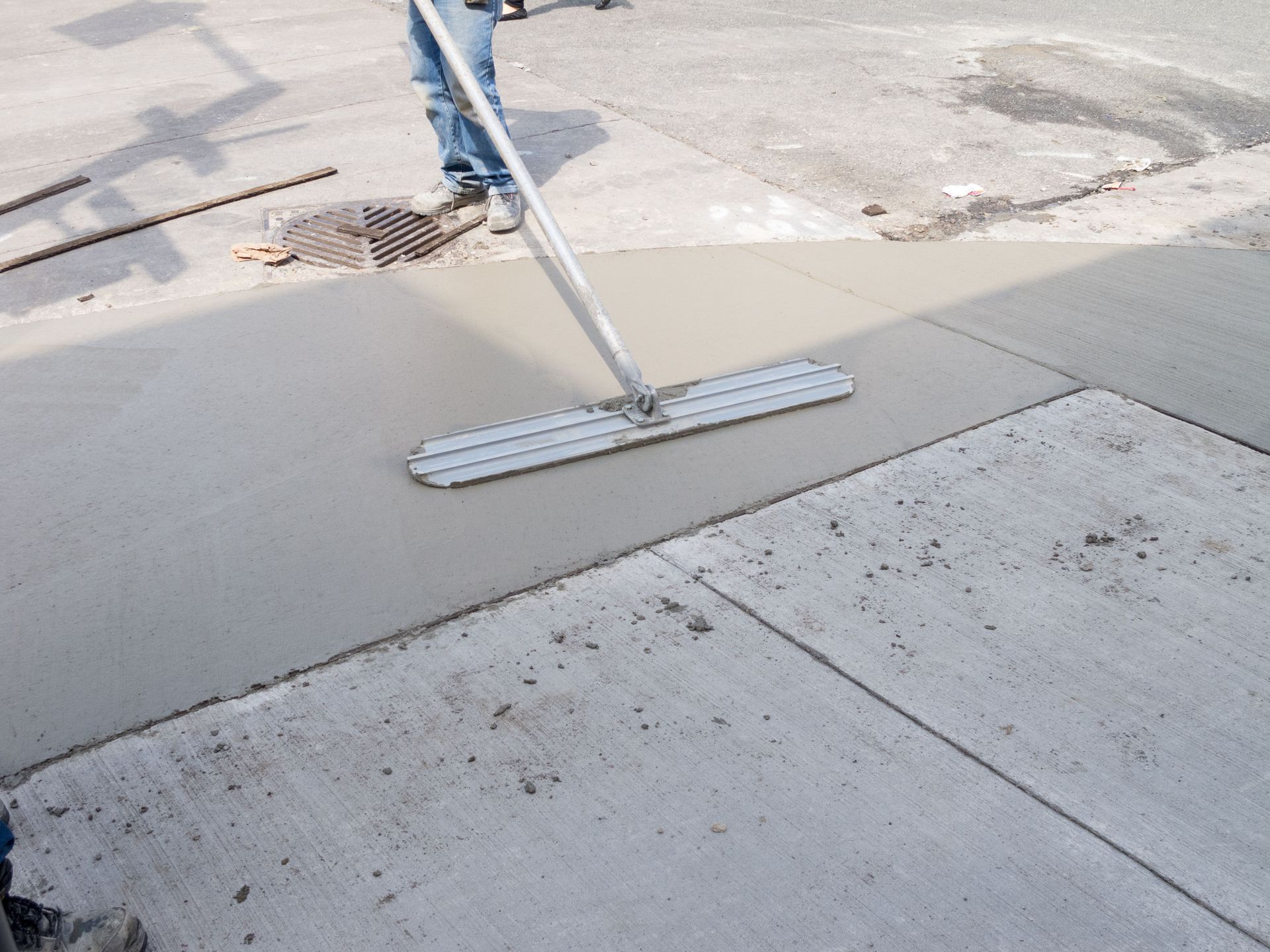
Once the finishing tools leave the slab, immediate attention must turn toward environmental protection and moisture management. Whether using wet coverings, chemical membranes, or insulating blankets, the goal remains the same: preserve moisture and maintain a stable temperature. As construction technology advances, new curing products and smart monitoring sensors continue to improve quality control on job sites. Partnering with reputable concrete services ensures access to these modern tools and techniques, giving every project the best possible start. Concrete is meant to last a lifetime, and respecting the critical roles of timing and moisture during curing is what turns that promise into reality. To guarantee your next project is built on strength, precision, and expert craftsmanship, reach out to Lymm Construction today to get started with trusted, top-tier concrete solutions.