August 18, 2026
Investing in an outdoor living space is a significant decision for any home property owner looking to enhance aesthetic value, improve household functionality, and create a welcoming environment for gathering. Among the various material options available for outdoor entertaining areas, solid poured slabs remain a timeless and highly popular choice due to their exceptional durability, versatile design potential, and relatively low upkeep requirements. When planning a backyard renovation project, understanding structural performance expectations helps homeowners make informed financial choices regarding materials, installation techniques, and routine care. Working alongside an experienced local concrete service ensures that your outdoor slab foundation is designed and constructed to withstand daily usage, changing weather conditions, and heavy furniture placement over extended periods. By examining fundamental structural factors, environmental influences, and proactive protective strategies, property owners can maximize the functional utility and visual appeal of their outdoor surface for decades.
Assessing the Fundamental Material Quality
The inherent strength and overall endurance of an outdoor slab depend heavily on the quality of the mix utilized during initial construction. High-grade cement formulations containing appropriate aggregate ratios and proper water ratios establish a dense internal matrix capable of enduring heavy structural loads and continuous environmental exposure. When you collaborate with a reputable local concrete service, technical specialists select custom mixture blends tailored specifically to regional soil conditions and local moisture dynamics. Proper mixing procedures ensure that internal binding agents activate effectively, preventing premature interior degradation, surface dusting, or structural crumbling as the slab matures over time.
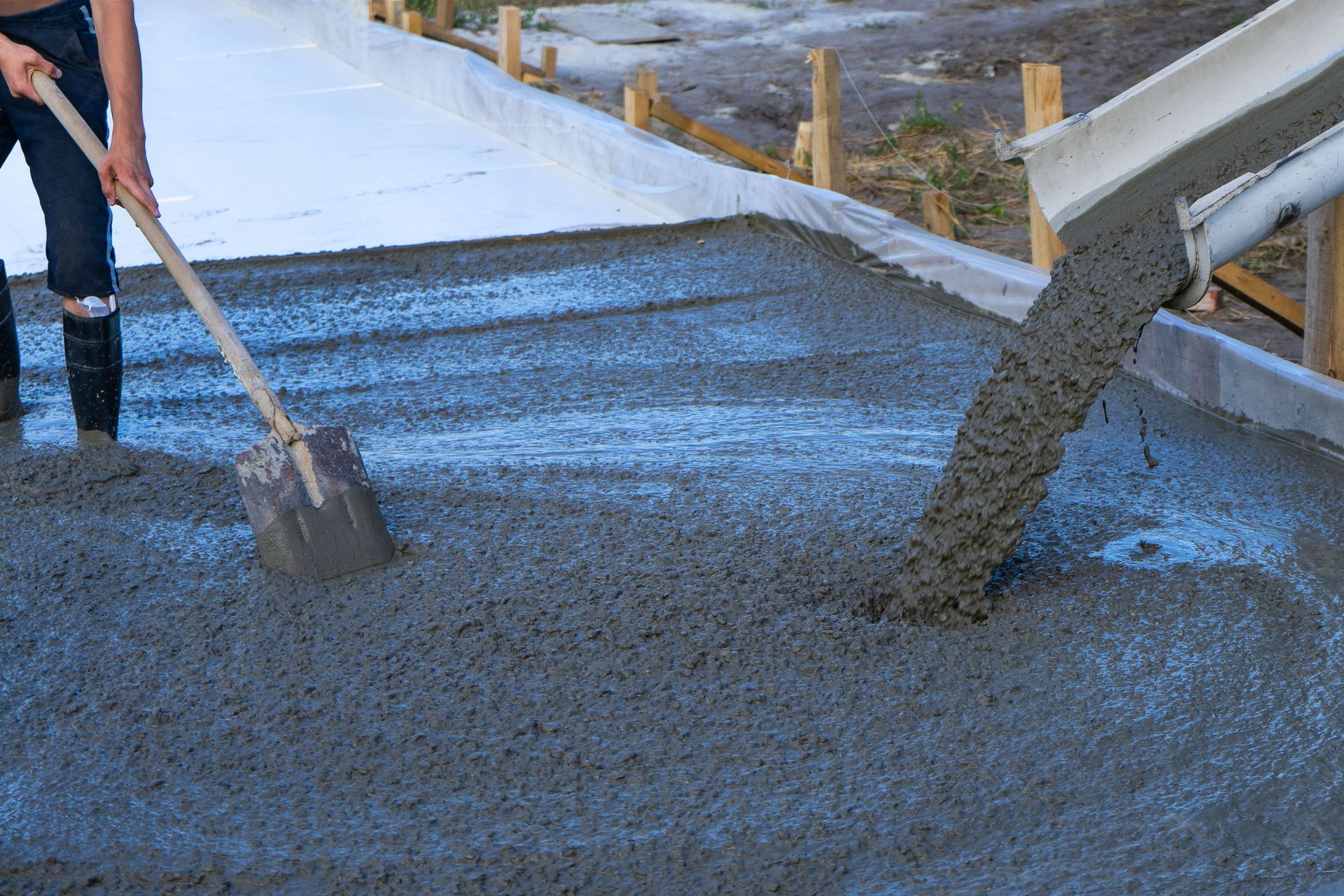
According to The Spruce, concrete patios have an average lifespan of 25 years. Achieving or even surpassing this baseline expectation requires careful attention to material additives, reinforcement materials, and precise curing protocols during the initial pouring phase. Incorporating structural steel rebar or synthetic reinforcement fibers throughout the interior matrix provides essential tensile strength, allowing the slab to flex slightly under shifting weight without cracking. Furthermore, allowing the newly poured slab to cure thoroughly under controlled moisture conditions ensures that the cement achieves maximum density and hardness before supporting heavy patio furniture, outdoor kitchens, or constant foot traffic.
Evaluating the Base Preparation Process
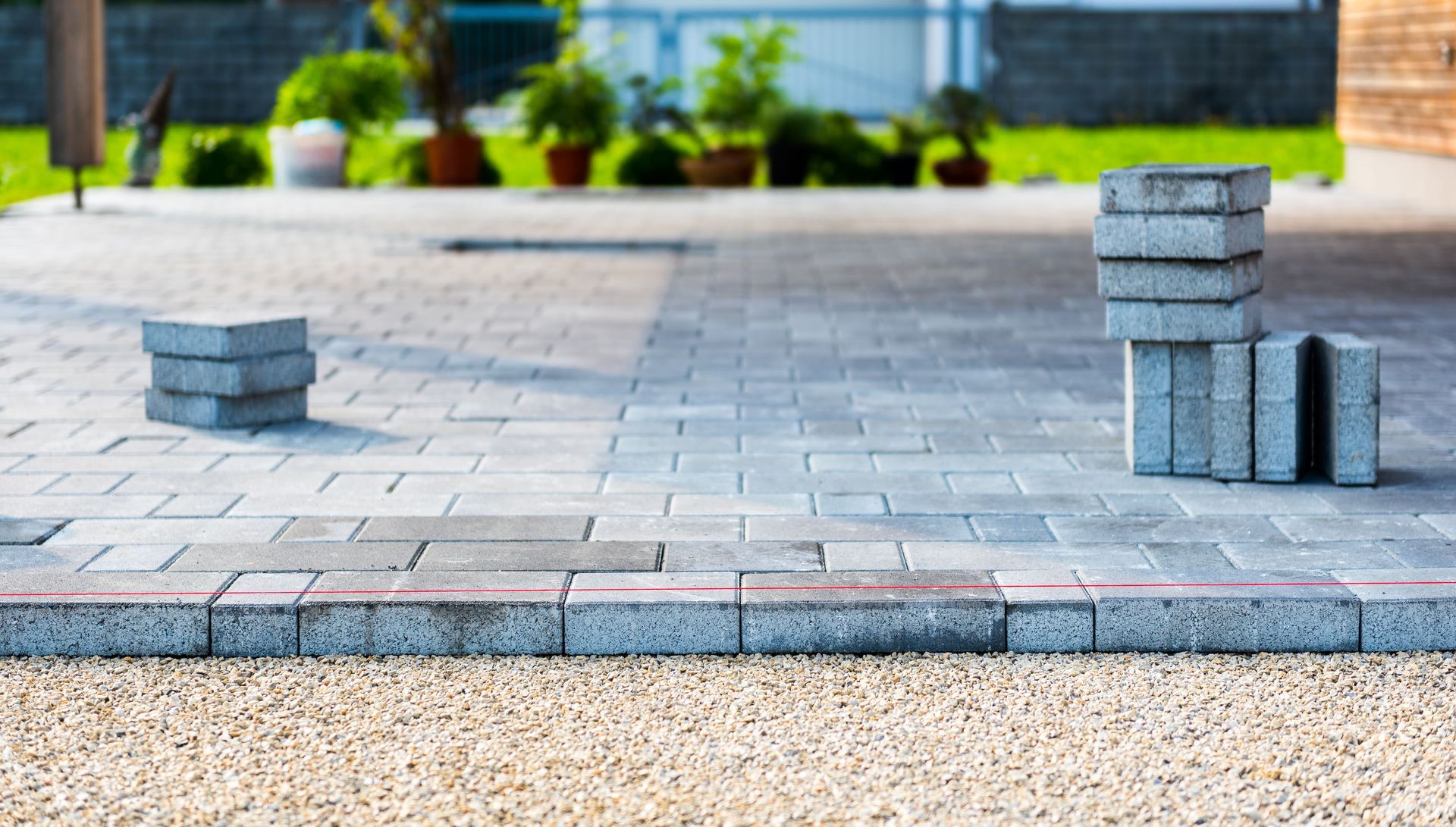
Even the highest quality concrete mixture will experience premature structural failure if poured over an unstable, improperly prepared subgrade foundation. Adequate ground excavation, soil compaction, and aggregate base installation form the critical load-bearing foundation for any lasting outdoor surface project. A qualified local concrete service begins every installation by removing loose topsoil, establishing proper grading slope angles, and laying down a compacted gravel base layer. This robust aggregate base allows rainwater to drain away efficiently, preventing subterranean soil erosion, hydrostatic uplift, or severe freeze-thaw expansion beneath the solid slab structure.
Proper slab thickness and strategic expansion joint placement are equally essential elements of thorough foundational preparation. Standard residential slabs require uniform thickness across the entire footprint to prevent localized weak spots that lead to spiderweb cracking under load stress. Additionally, cutting control joints at precise intervals allows the solid material to expand and contract naturally during extreme temperature fluctuations without creating unsightly random fractures. By prioritizing meticulous ground preparation and engineered control joints, skilled contractors ensure that the finished slab maintains structural integrity, remains level, and resists subterranean shifting throughout its entire operational service life.
Analyzing Environmental and Climate Impact
Outdoor building materials face continuous exposure to harsh climate conditions, soil chemistry variations, and severe weather events that directly influence structural longevity. In regions experiencing frequent freeze-thaw cycles, trapped subsurface moisture can expand dramatically when frozen, placing immense internal pressure on the rigid cement matrix. Partnering with a knowledgeable local concrete service helps mitigate these atmospheric hazards through air entrainment additives that create microscopic air pockets within the cured slab. These tiny internal pockets give expanding ice room to shift without fracturing the solid outer surface or causing widespread spalling and surface scaling.
Chemical exposure represents another major environmental factor that can prematurely degrade an unprotected outdoor slab over time. Deicing chemicals, acidic rainfall, organic leaf stains, and harsh cleaning agents can slowly dissolve binding compounds within the cured cement matrix, leading to surface pitting and aesthetic discoloration. Proper surface slope design facilitates immediate water runoff, preventing chemical solutions and standing puddles from pooling along the finished surface. Understanding regional weather patterns and soil characteristics enables property owners to implement targeted protective measures that shield their structural investment from aggressive natural elements year after year.
Implementing Effective Protective Maintenance
Proactive maintenance routines play an indispensable role in preserving both the visual elegance and structural durability of outdoor concrete installations. Applying a high-performance penetrating sealer shortly after initial curing establishes a microscopic moisture barrier that repels water, oil, household spills, and atmospheric pollutants. Consulting with a professional local concrete service allows property owners to select specialized sealing products designed to enhance surface color while offering robust protection against UV rays and chemical penetration. Reapplying protective sealers periodically maintains this invisible barrier, dramatically reducing the risk of deep staining, moisture absorption, and surface micro-cracking.
Routine cleaning and minor surface care further extend the functional service life of outdoor solid slabs while keeping them looking pristine. Sweeping away organic debris regularly prevents damp leaves and moss from trapping moisture or leaving stubborn tannin stains on the textured finish. Promptly rinsing off household spills, grease, and dirt using mild detergents prevents chemical degradation of the top seal layer without eroding the concrete texture underneath. Addressing small surface flaws or hairline cracks immediately with flexible masonry sealants stops water from penetrating deeper into the subgrade, effectively preserving structural strength and preventing widespread surface damage.
Choosing Professional Installation Experts
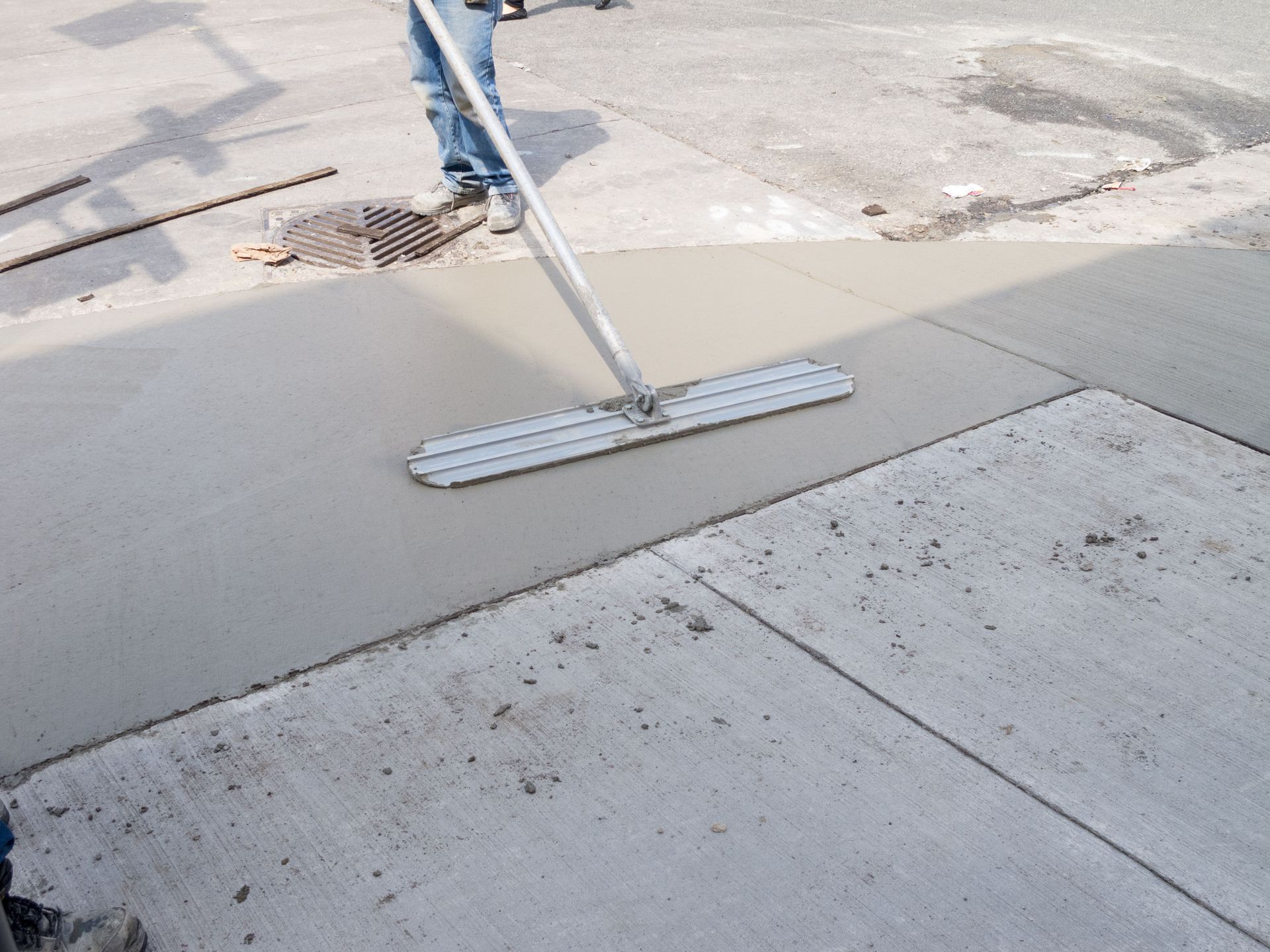
Executing a successful outdoor slab project demands technical expertise, specialized heavy equipment, and precise timing during the mixing, pouring, and finishing operations. Attempting complex masonry work without professional guidance often results in improper water ratios, inadequate ground preparation, or delayed finishing techniques that severely compromise slab longevity. Hiring an established local concrete service guarantees that experienced craftsmen oversee every stage of the construction process using industry best practices. Professional contractors bring critical knowledge regarding local soil dynamics, proper reinforcement techniques, and climate-specific curing protocols that directly determine long-term structural performance.
Collaborating with licensed professionals also provides valuable peace of mind through detailed project warranties, accurate material estimation, and local building code compliance. Technical specialists evaluate site-specific drainage challenges, utility lines, and structural load requirements to engineer a custom slab solution built to endure decades of continuous use. From selecting optimal surface textures and decorative finishes to implementing advanced reinforcement strategies, expert craftsmanship transforms simple raw materials into a permanent architectural feature. Investing in certified professional installation ensures that your outdoor entertaining space remains beautiful, safe, and structurally sound for generations.
Understanding the key factors that influence concrete patio longevity empowers property owners to make smart design, installation, and maintenance decisions for their outdoor living areas. From selecting high-quality raw materials and preparing a stable subgrade base to applying protective sealers and addressing regional climate challenges, every step plays a crucial role in extending structural service life. Partnering with skilled industry professionals guarantees that your investment is constructed using optimal techniques designed to resist cracking, surface wear, and weather damage. When you are ready to build or restore a beautiful outdoor living space that will stand the test of time, contact Lymm Construction.